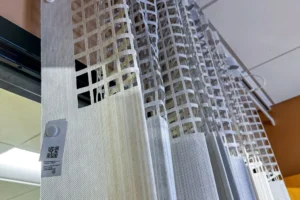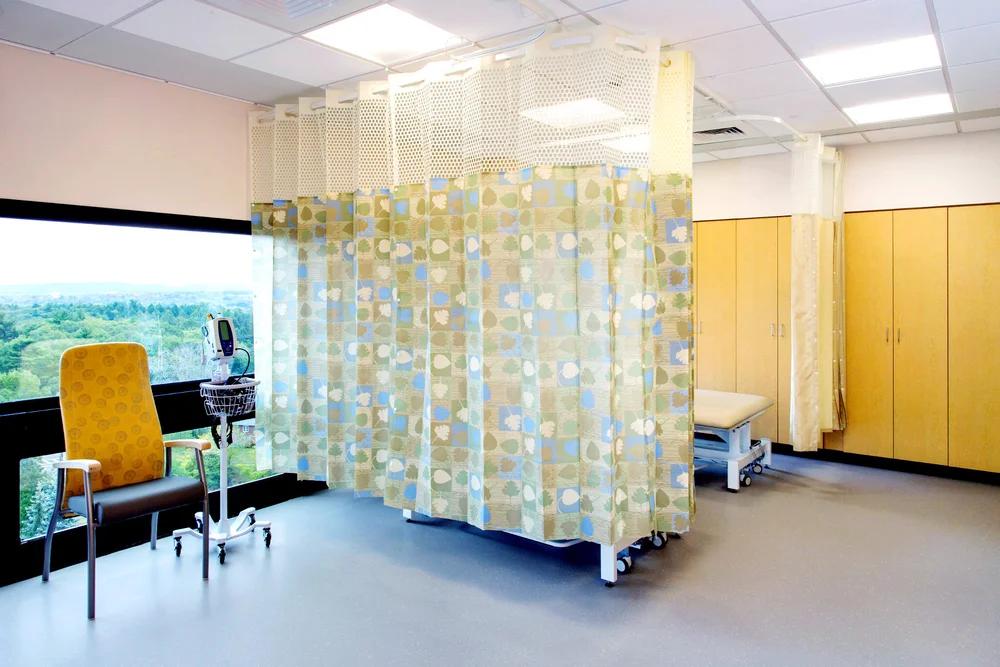
Cubicle curtains are an important part of providing privacy in healthcare spaces. But just looking at a good fabric or a beautiful design is not enough to buy a curtain. If the size, track, material or maintenance requirements of the curtain are not suitable, then both installation and replacement can be difficult later.
That is why it is better to check a few important things before purchasing. This small review can help you choose a curtain system that suits your space, daily use and maintenance needs.
1. Check the Size and Coverage
First, measure the space where the curtain is to be installed. It is not enough to know just the overall size of the room. You should also look at the position of the track, the required length of the curtain and the desired privacy coverage.
If the curtain is too small, it will not provide complete visual coverage of the patient area. On the other hand, too much fabric can make the space unnecessarily crowded.
It is better to measure the existing track and confirm the required curtain dimensions before purchasing. If the project is new, the track layout along with the curtain should also be planned in advance.
2. Choose the Right Material
Not every healthcare space will benefit from the same material. When selecting a curtain, consider how often it will be used and what the process is for cleaning or replacing it. Textile curtains are reusable and can be reused with proper care. Disposable curtains, on the other hand, can be practical in areas where frequent changeouts are required.
When selecting a material, consider appearance as well as durability, cleaning requirements, and the specific needs of the facility. If a disposable option is to be used, disposable curtain patterns and styles can also be reviewed to ensure that the curtain fits the overall appearance of the facility.
3. Check the Track and Installation
A good curtain will only work properly if its track system is also suitable. Before purchasing a curtain, find out if the new curtain is compatible with the existing track.
The shape and configuration of the track are also important. In some healthcare spaces, straight tracks are sufficient, while in other areas curved or ceiling-mounted configurations may be required.
The installation method should also be considered first. If the curtain system is difficult to install, future changeouts may require more staff time.
That is why it can be useful for architects, contractors and facility teams to view the technical specifications and CAD files available with the product. These files can help to better understand the dimensions, mounting details and proposed layout.
4. Consider Cleaning and Replacement
When purchasing a curtain, it is important to think about how it will be maintained during use. For reusable textile curtains, the cleaning and laundering process should be known. The facility should also check whether the fabric maintains its condition after cleaning.
The maintenance process for disposable curtains is different. Instead of washing them, they are replaced as needed. This option can be useful in environments where quick changeouts are more important.
Ask these questions before purchasing:
- Cleaning: How will the curtain be cleaned?
- Replacement: How easy is it to replace?
- Changeout time: How long will it take for staff to change out?
- Fit with existing process: Does the system fit into the facility’s existing maintenance process?
This information can make future maintenance more predictable.
5. Look at the Product’s Real-World Performance
Product specifications are important, but practical experience can be just as useful. Curtains in healthcare facilities aren’t just for display. They are opened, closed, and maintained daily. So, when selecting a product, look at how it has performed in similar healthcare environments. Hospital case studies can provide useful information in this regard.
Case studies can help you understand what practical problems a curtain system has solved in different patient rooms, treatment areas, or healthcare projects. This information helps you understand the real-world use of the product, rather than relying solely on marketing claims.
Don’t Forget Fire Safety
When purchasing curtains, fire safety requirements should not be ignored. It is important to verify applicable fire safety standards and local requirements for fabrics used in healthcare facilities.
Each project’s requirements may vary, so it is best to check product documentation and facility standards.
Instead of making a decision based solely on the appearance or price of the curtain, make safety requirements part of your purchasing checklist.
Think About Future Changeouts
When purchasing curtains, don’t just consider what you need today. Also think about how easy it will be to replace them in a few months or years.
Curtains in a healthcare environment may need to be changed due to routine cleaning, maintenance, or patient-care situations. If the system is convenient for quick changeouts, and daily operations can be easy for staff.
A practical curtain system is one that allows staff to remove and install the curtain without unnecessary steps. That is why it is better to make future maintenance a part of the planning before purchasing.
A Simple Buying Checklist
If you want a short checklist before purchasing, be sure to review these points:
- Space and curtain dimensions
- Material and durability
- Track compatibility
- Installation method
- Cleaning or disposal process
- Fire safety requirements
- Future replacement needs
Checking these points first can reduce the risk of buying an unsuitable product.
Final Thoughts
When buying cubicle curtains, focusing only on fabric, color or price is not enough. For the right choice, it is necessary to look at the space, material, track, installation and maintenance requirements together.
First, confirm the required size and privacy coverage of the curtain. Then choose a material that is suitable for the daily use and cleaning process of the facility. Also verify track compatibility and installation details first.
Then review product documentation and real-world healthcare experience. These steps can help you make a more informed decision.
On the Right Track provides a variety of curtain solutions for healthcare environments, so facilities can explore the available options based on their space and operational needs. A good curtain not only provides privacy, but also makes maintenance and everyday use easier.
FAQs
What should I consider before buying cubicle curtains?
First, check the dimensions of the space, required privacy coverage, material, track compatibility, and maintenance requirements. Fire safety and future replacement should also be part of the purchasing decision.
What is the best material for healthcare cubicle curtains?
No single material is best for every facility. Textile curtains are reusable, while disposable options can be practical in areas with frequent changeouts. The choice depends on the facility’s cleaning process and usage needs.
How do I know what size cubicle curtain to buy?
Accurately measure the existing space and track. Also determine the required curtain length and privacy coverage. If the project is new, it is best to plan the curtain dimensions along with the track layout first.
Do cubicle curtains need to meet fire safety requirements?
Fire safety requirements can be important in healthcare facilities. When selecting curtains, verify applicable standards, product documentation, and facility-specific requirements.
Are disposable cubicle curtains easier to maintain?
Disposable curtains do not require laundering and can be replaced as needed. They can be convenient in environments with frequent changeouts, but the facility should select an option based on its specific requirements.
Why are technical drawings useful when buying curtains?
Technical drawings and CAD files help to understand dimensions, mounting details, and track configuration. They are especially useful for architects, contractors, and facility teams when planning a curtain system for an existing or new space.